Moses Adeniyi
Key opposition figures, including former Vice President Atiku Abubakar and ex-Kano State governor Rabiu Musa Kwankwaso, on Saturday converged in Ibadan, Oyo State, for a high-stakes national summit aimed at forging a united political front ahead of future elections.
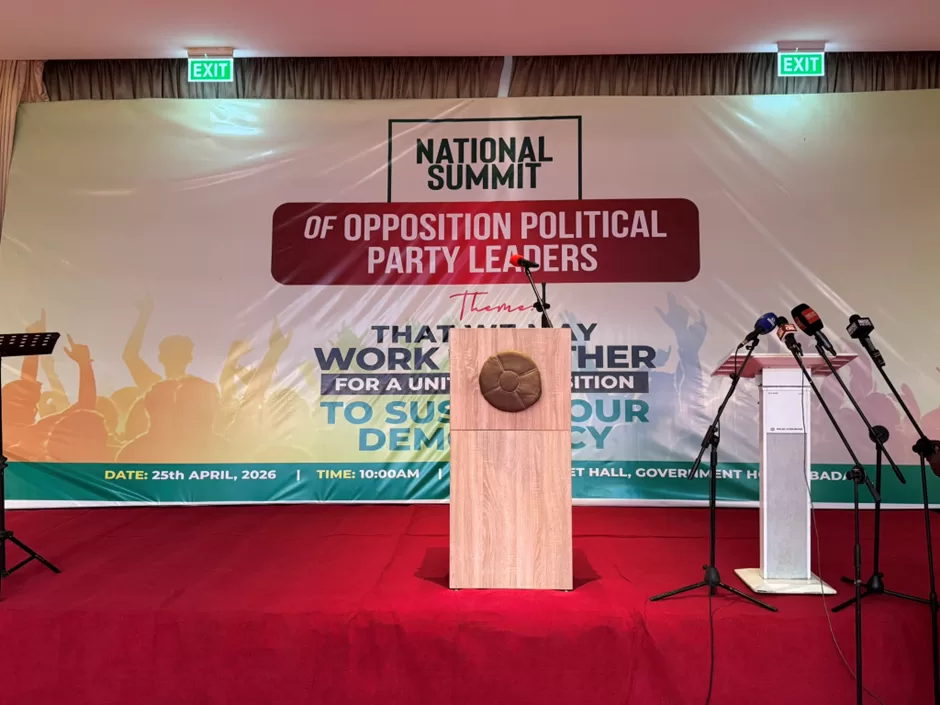
The gathering, chaired by former President Olusegun Obasanjo and hosted by Oyo State Governor Seyi Makinde, is being held at the Banquet Hall of the Government House. It brings together leaders from major opposition platforms, including the Peoples Democratic Party (PDP), African Democratic Congress (ADC), and New Nigeria Peoples Party (NNPP), among others.
The summit, themed “That We May Work Together for a United Opposition to Sustain Our Democracy,” is widely seen as a strategic attempt to consolidate opposition strength in response to Nigeria’s mounting socio-economic and security challenges.
Push for a United Opposition
The Ibadan meeting comes at a time of growing political recalibration across party lines, with opposition leaders under pressure to present a more cohesive and credible alternative to the ruling All Progressives Congress (APC).
In recent months, concerns over economic hardship, inflation, and worsening insecurity have intensified calls for stronger political coordination among opposition blocs. Analysts say the lack of unity among opposition parties has historically weakened their electoral prospects, particularly in tightly contested national polls.
Saturday’s summit appears designed to address that gap—bringing together influential political actors, policy experts, and thought leaders to map out a coordinated strategy for governance and electoral competitiveness.
High-Level Participation and Agenda
Confirming his arrival via social media, Atiku wrote that he had arrived in Ibadan for the “National Summit of all opposition parties,” while Kwankwaso described his participation as an opportunity for “meaningful engagements with fellow national leaders.”
Beyond political consultations, the summit is expected to feature policy-driven discussions on Nigeria’s democratic and economic trajectory. Former National Human Rights Commission chairman Chidi Odinkalu and ex-lawmaker Usman Bugaje are billed to speak on governance and democratic sustainability.
A former Resident Electoral Commissioner with the Independent National Electoral Commission (INEC), Mike Igini, is expected to present on credible elections, while political economist Pat Utomi will address pathways to building a productive national economy. Security expert Kabir Adamu is also scheduled to examine Nigeria’s persistent insecurity challenges.

Allegations of Disruption
The summit, however, has not been without controversy. The ADC alleged that the APC was planning to disrupt the gathering—claims that had not been officially responded to by the ruling party as of press time.
Efforts to reach APC spokesperson Felix Morka for comment were unsuccessful, leaving the allegation unverified.
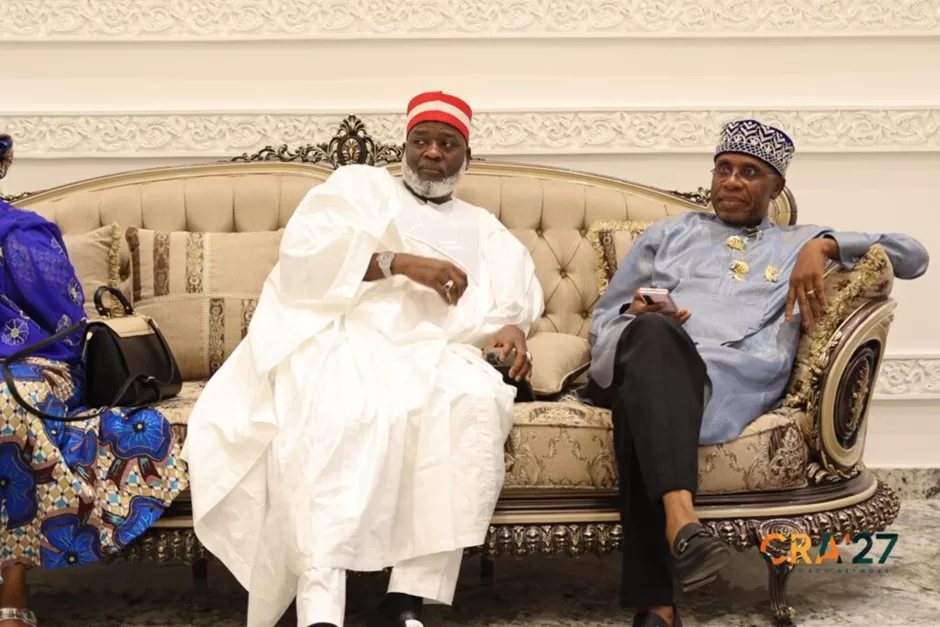
Meanwhile, the ADC also highlighted the presence of former Minister of Transportation Rotimi Amaechi, alongside prominent figures from the Kwankwasiyya Movement, signalling what insiders describe as early-stage coalition building across political tendencies.
Strategic Implications
Observers say the Ibadan summit could mark a pivotal moment in Nigeria’s evolving political landscape. With early alignments already underway ahead of the next electoral cycle, the ability of opposition leaders to close ranks may determine the level of competition the ruling party faces.
While it remains unclear whether the talks will produce a formal coalition, the convergence of key figures across party lines suggests a growing recognition that unity—not fragmentation—may be the opposition’s strongest pathway to relevance in the years ahead.
As deliberations continue, the summit is expected to set the tone for deeper negotiations, potential alliances, and a redefined opposition strategy in Nigeria’s democratic journey.