….FG Files Cybercrime Charges
Our Correspondent | Abuja
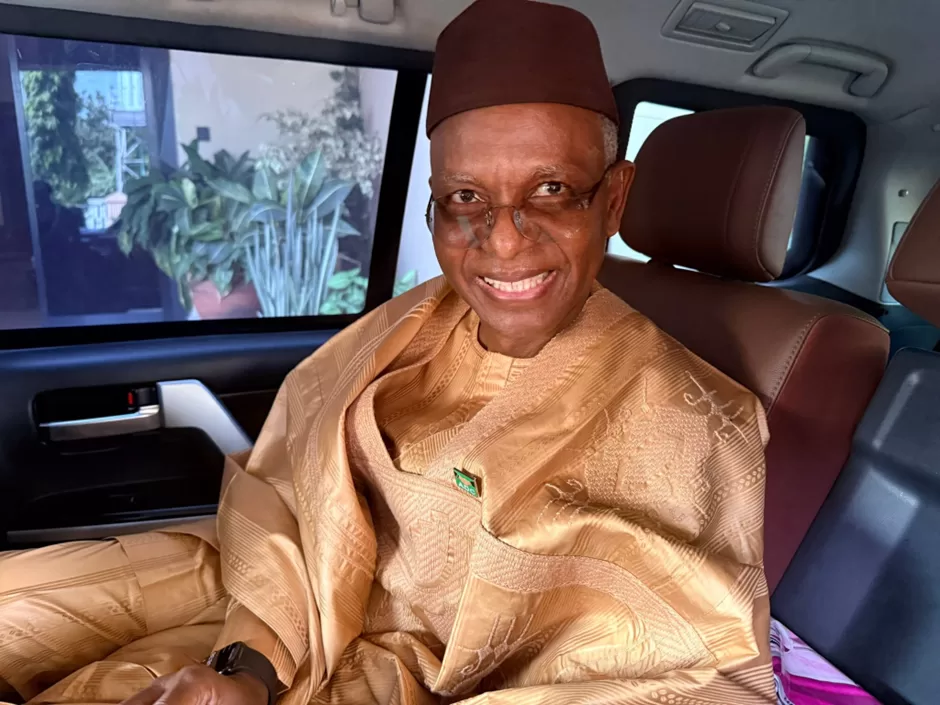
Abuja, Nigeria – Former Kaduna State governor, Nasir El-Rufai, was on Wednesday released by the Economic and Financial Crimes Commission (EFCC), only to be immediately taken into custody by operatives of the Independent Corrupt Practices Commission (ICPC), according to sources familiar with the development.
Sources at the EFCC confirmed late Wednesday that El-Rufai had been freed after days of questioning but was “shortly picked up” by ICPC operatives.
“We have released him today, but he was shortly picked up after he was released by ICPC,” an EFCC source said.
Efforts to obtain official confirmation from the ICPC were unsuccessful, as calls to its spokesperson, John Odey, were not answered at the time of filing this report.
El-Rufai’s lawyer, A. U. Mustapha (SAN), declined to comment substantively when contacted. His media aide, Muyiwa Adeleye, could not be reached.
Federal Charges Over Alleged Phone Interception
The development comes amid escalating legal troubles for the former governor.
On Monday, the Federal Government filed a three-count criminal charge against El-Rufai before the Federal High Court, Abuja, over the alleged unlawful interception of the phone communications of the National Security Adviser, Nuhu Ribadu.
The charges, marked FHC/ABJ/CR/99/2026, were filed under the Cybercrimes (Prohibition, Prevention, etc.) Amendment Act, 2024, and the Nigerian Communications Act, 2003.
According to the charge sheet:
- Count One: El-Rufai allegedly admitted during a television interview that he and associates unlawfully intercepted the NSA’s phone communications, an offence under Section 12(1) of the Cybercrimes Act.
- Count Two: He allegedly associated with an individual who unlawfully intercepted communications without reporting the act, contrary to Section 27(b) of the Act.
- Count Three: He and others still at large allegedly used technical equipment in Abuja in 2026 to intercept the NSA’s communications, contrary to Section 131(2) of the Nigerian Communications Act.
The charges stem from comments El-Rufai made during an appearance on Prime Time on Arise TV, where he suggested that he had knowledge of internal government communications.
“Ribadu made the call because we listened to their calls. The government thinks that they are the only ones who listen to calls. But we also have our ways,” he had said during the programme.
DSS Reopens Dadiyata Investigation
Separately, the Department of State Services (DSS) has reportedly reopened investigations into the 2019 disappearance of Abubakar Idris, popularly known as Dadiyata, a lecturer at the Federal University Dutsinma, Katsina State.
Dadiyata was declared missing on August 1, 2019, after gunmen reportedly took him from his residence in Kaduna. His whereabouts remain unknown.
A security source disclosed that the DSS recently seized El-Rufai’s passport at the Nnamdi Azikiwe International Airport, Abuja, to prevent him from travelling abroad.
Investigators are also examining social media posts allegedly made by El-Rufai’s sons, Bello and Bashir, following Dadiyata’s disappearance.
“Former governor El-Rufai claimed that until Dadiyata’s disappearance, he did not know anyone by that name. However, social media posts by his sons suggest otherwise,” a source to The Punch, adding that both may be invited for questioning.
El-Rufai’s Arrest
The unfolding events follow El-Rufai’s recent public remarks suggesting he anticipated arrest.
In a prior report, LinesWatch quoted the former governor as stating that he had received information indicating he could soon be arrested in connection with ongoing political tensions and investigations. The comments, made days before his EFCC invitation, fueled speculation of imminent legal action.
His subsequent appearance on Arise TV, where he referenced listening to alleged conversations involving the NSA, further intensified scrutiny and triggered the current charges.
Political observers say the convergence of anti-graft investigations, cybercrime charges, and the revived Dadiyata probe marks one of the most serious legal challenges faced by the former governor since leaving office.
What Happens Next?
With criminal charges already filed before the Federal High Court in Abuja, legal analysts expect a formal arraignment in the coming days. Security agencies, including the DSS, are reportedly on standby.
As of press time, neither the ICPC nor the DSS had issued official statements clarifying the basis of El-Rufai’s latest detention. The situation remains fluid.